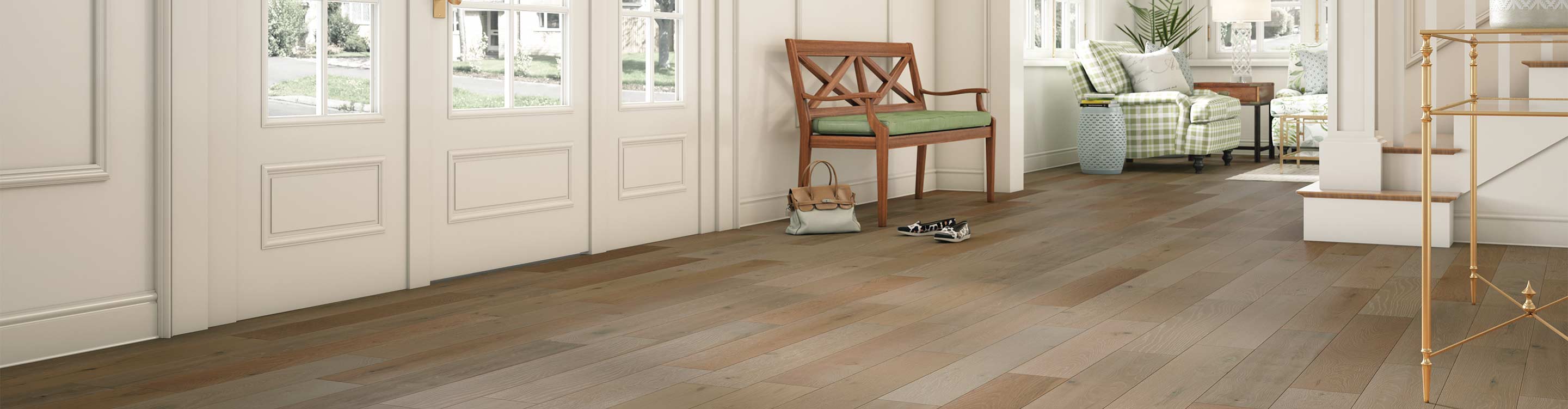
Hardwood floors bring warmth, character, and lasting beauty to any home. As your dedicated flooring experts, we're here to help you understand your options so you can choose with confidence. When it comes to hardwood, there are two main types to know: solid hardwood and engineered hardwood. Each one has its own strengths, and the right pick depends on your style, your lifestyle, and where the floor will go.
Once you know which type fits your home, you can narrow things down further by choosing a wood species and grade. It's also smart to understand installation, maintenance, and cost before you make a final decision. Read on to explore the types of hardwood flooring, plus the details that will help you find your perfect match.
Solid hardwood and engineered hardwood are the two main types of hardwood flooring. Both are made from real wood, but they're built differently, and that difference shapes where each one works best in your home. Choosing between them is the first and most important step in finding your floor.
Hardwood floors are a beautiful addition to any home, whether you're looking for the perfect touch of charm or want to add warmth to your design. There are many differences between solid and engineered hardwood, and we'll help you understand the pros and cons of each to determine which one is best for your space.
Solid hardwood is traditional, timeless, and provides a warm and homey feel. Solid wood differs from engineered wood, particularly in its construction. Milled from one piece of wood, solid hardwood comes in a variety of species from the blonde grains of white oak and hickory to the honey-hued maple and rich chestnut planks.
Solid hardwood flooring is generally anywhere from 3/4 inches thick to 7/16 inches thick. As far as width, solid wood floors can vary from one product to another, with 2 ¼ to 3 ¼ inches wide being some of the most popular. However, solid hardwood floors also come in wide plank options like 5 inch and 7-inch widths.
Advantages to solid hardwood flooring include:
There are some things to bear in mind, though, when considering if solid hardwood is right for your home. Cons of solid hardwood include:
Engineered wood floors are another type of wood floor that are ideal for many homes. Engineered hardwood flooring is constructed from genuine wood. However, when creating engineered wood planks, multiple plies of wood are glued together in a cross-grain pattern. On top of the cross-grain wood pattern, a genuine piece of wood is placed on top, which gives engineered hardwood its natural, genuine wood beauty. Then, the layers are bonded under high heat and pressure. Unlike solid hardwood, this construction makes engineered wood more dimensionally stable, which means less expansion and contraction with changes in moisture and humidity levels.
Engineered hardwood floors are also available in varying wood species like white oak, red oak, maple, and more. They also come in several widths, like 2 ¼ and 3 ¼, as well as 5 inches, and a number of other widths.
Advantages of engineered hardwood include:
Both solid and engineered hardwoods offer unique advantages. Solid hardwood is renowned for its long-lived durability when maintained properly. On the other hand, engineered hardwood combats issues related to heat and moisture. Understanding these distinctions can help you find the perfect match for your space.
From the rich hues of Brazilian Cherry to the unique grain patterns found in Australian Cypress, exotic hardwood species offer unique aesthetic possibilities. These woods provide unique visual appeal and are known for their durability and resistance to wear. Ideal for adding a touch of sophistication to both traditional and contemporary settings, exotic hardwoods effortlessly infuse rooms with warmth and character. Whether adorning a grand foyer or a cozy den, these hardwoods stand as a testament to nature's artistry, offering a timeless elegance that transcends trends. Explore our full hardwood species guide to find the right wood for your home.
Different grades of hardwood flooring affect not only the look of your floor but also its performance. Find out what each grade offers and how to select the right one for your space.
'Clear' grades show minimal variations and knots, while 'Rustic' grades exhibit natural character with a higher level of knots and color variation. When it comes to selecting the right grade for your home, consider your stylistic tastes and whether or not you want your wood floors to look variated or uniform. Oftentimes, preferences for certain hardwood flooring grades are personal and there really is no one right choice.
Selecting the perfect hardwood flooring for your space involves thoughtful consideration of various factors to ensure a harmonious blend of style and functionality. Factors such as foot traffic, room size, natural light, and personal aesthetics play a crucial role when choosing the right hardwood for your space.
Think about how you can match your hardwood to your room settings by considering the overall design theme, existing furniture, and color palette. For instance, in a high-traffic area like the living room, opt for durable hardwood varieties like oak or hickory, while in smaller rooms, lighter wood tones can create an illusion of space and brightness. For rooms flooded with natural light, richer wood hues such as cherry or walnut can add warmth and depth, complementing the sunlight streaming in.
Hardwood floors come with many benefits, including durability, easy maintenance, and enhanced property value. However, they require careful handling, as they can be susceptible to moisture and scratches.
A well-maintained hardwood floor can last generations. Learn the ins and outs of hardwood floor maintenance to keep your floor looking pristine. While hardwood floors are generally easy to clean, they require specific care to maintain their luster over time. Measures include regular sweeping, avoiding harsh chemicals, and tending to spills immediately.
To maintain and clean hardwood floors, regularly sweep or vacuum to remove dirt and debris, use a slightly damp mop with a hardwood floor cleaner for deeper cleaning, promptly wipe up spills, and avoid using excessive water or harsh cleaning agents to prevent damage to the wood.
Each species of hardwood has a unique hardness rating that will determine how likely it is to become dented. Dropping heavy furniture or other items on solid wood floors can cause dents that cannot be removed or repaired.
Keep in mind that engineered hardwood can also become scratched from sliding heavy furniture or pet claws.
We recommend professional installation for both solid hardwood and engineered hardwood flooring to account for expansion, contraction, and other complexities. This will ensure your floors are well-installed and look fantastic for years.
Solid hardwood floors are suitable for most areas of your home, like bedrooms, living rooms, offices, and more. They are not ideal for areas that are prone to moisture, like basements and bathrooms. Because solid wood floors are likely to expand and contract, we recommend having them professionally installed. A professional flooring installer will account for the changes that will happen with expansion and contraction, ensuring that your floors will look great for years to come.
Because engineered hardwood floors perform better when exposed to moisture, they can be installed in almost any space in your home. Living rooms, bedrooms, offices, hallways, staircases, and kitchens are just a few of the areas where engineered wood is ideal. Below-grade rooms like finished basements, and finished attics are also areas where engineered wood can be installed. Like solid hardwood, we recommend hiring a professional to install engineered hardwood because of the difficulty and technical knowledge required to complete the job.
Solid hardwood floors are generally more expensive than engineered hardwood floors, largely due to installation costs. Engineered hardwood often comes at a comparable price, with potentially lower installation costs due to a range of installation methods like nail down, glue down, or floating installation.
If you're searching for a budget-friendly hardwood option, consider engineered flooring and locally-grown wood species such as maple, white ash, and oak. Or, if you love the look of wood planks but want the high performance of resilient flooring, you can always opt for luxury vinyl planks.
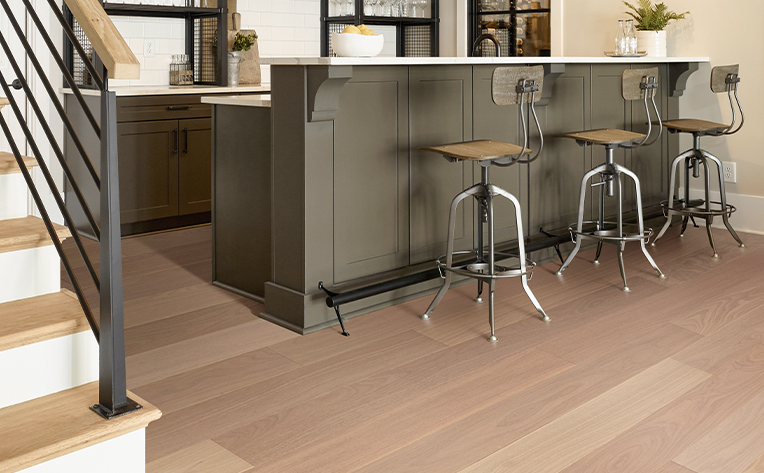
Both solid hardwood and engineered hardwood floors have their pros and cons. The right choice ultimately depends on your unique needs, your home’s condition, and your personal style. Whether you prefer the rustic charm of distressed hardwood or the sleek elegance of smooth finishes, our diverse selection offers endless possibilities to customize your space with the perfect hardwood flooring solution.
Ready to find the hardwood that fits your home? Our flooring experts can walk you through your options, answer your questions, and help you choose a floor you’ll love for years to come. Don't wait to reach out today to get started.
Explore the most popular questions homeowners have about hardwood floors.
Solid hardwood is typically considered better than engineered hardwood in terms of longevity and authenticity, as it's composed entirely of solid wood. However, engineered hardwood offers advantages in stability and versatility, particularly in environments prone to moisture or temperature fluctuations.
Hardwood grades vary based on the appearance and characteristics of the wood, with common grades including Clear, Select, and Common. The grade you choose depends on your aesthetic preferences, budget, and tolerance for natural variations such as knots and mineral streaks.
While engineered hardwood can be installed in high-moisture areas like bathrooms, it's important to choose appropriate species and finishes that can withstand moisture exposure. Additionally, proper installation techniques and regular maintenance are crucial for preventing water damage and maintaining the integrity of the hardwood flooring.
The two main types of wood flooring are solid and engineered hardwood. Solid hardwood is milled from a single piece of wood, while engineered hardwood features a real wood top layer bonded to a stable, layered core. Within each type, you can choose from a wide range of species like oak, maple, and hickory, plus different grades, plank widths, and finishes to match your style.
Engineered hardwood is a great fit for many homes, but there are a few things to keep in mind. The real wood top layer can only be sanded and refinished a limited number of times, depending on its thickness. Like any wood floor, it can scratch from pet claws or furniture being dragged, and standing water can still cause damage if spills aren't wiped up quickly. Choosing a product with a thicker wear layer and following a simple care routine will help it look beautiful for years.
Hardwood is one of the most popular choices for high-end homes thanks to its natural beauty and timeless appeal. Wide-plank white oak, rich walnut, and exotic species like Brazilian Cherry are especially sought after for their character and depth. Many upscale homes also feature engineered hardwood in kitchens and basements, natural stone in entryways and bathrooms, and plush carpet in bedrooms for added comfort.
If you love the look of wood, you have several great options. Luxury vinyl plank offers a realistic wood look with water-resistant performance, making it a popular pick for kitchens, bathrooms, and basements. Laminate captures the warmth of wood grain with a durable, scratch-resistant surface, and wood-look tile brings the style of hardwood to wet areas.
Thank you for contacting Carpet One Floor & Home. Your local flooring expert will reach out to you regarding your inquiry.
As a certified small business with the State of California, we enjoy a 5% bidding preference.
Areas Served: We sell and install flooring — carpet, hardwood, luxury vinyl tile, luxury vinyl plank, tile, stone, laminate floor covering — for the following California communities and surrounding areas: Atascadero, Avenal, Bakersfield, Bass Lake, Clovis, Coalinga, Corcoran, Exeter, Fresno, Hanford, Kingsburg, Lemoore, Lindsay, Madera, Mariposa, Merced, Modesto, Oakhurst, Paso Robles, Pismo, Porterville, Reedley, Sacramento, Salinas, Sanger, Shaver Lake, San Luis Obispo, Selma, Tulare, and Visalia.
Disclaimer: The images on this website are presented as accurately as we can make them digitally. However, the colors will vary according to the browser used and your device’s color settings. We are not responsible for the differences in color on the screen and the actual product. Nor can we be responsible for a viewer’s misperceptions of textures or other features. If you wish to be absolutely positive about the colors, textures, and other features, please view samples at our store, or request a sales rep to bring you samples, or have a sample sent to you for a fee. Although we do our best to only feature products on the site that are currently available, occasionally, a product is discontinued before we can correct the listing on our site.